

Implementation of the COSO Risk Management Model
COSO, which stands for the Committee of Sponsoring Organizations of the Treadway Commission, is a set of principles and recommendations designed to assist organizations in effectively managing risks. This model was initially developed by the Committee of Sponsors of the Securities and Exchange Commission in 1992 and has been updated twice, in 2004 and 2013. COSO aids companies in identifying potential risks to which they are exposed, as well as in developing and implementing measures for risk mitigation and control. This approach is one of the most widely adopted worldwide and is suitable for addressing the needs of both large organizations and small businesses.
Components of the Risk Management Model
The risk management model comprises the following components:
- Control Environment: This encompasses a set of factors that influence an organization’s ability to anticipate and control potential hazards. These factors include ethical values, the company’s culture, and the internal monitoring system.
- Risk Assessment: This is the process of identifying, analyzing, and determining the hazards to which an organization is exposed.
- Risk Response: It involves the development and implementation of measures to mitigate risks.
- Communication: This is the process of ensuring timely exchange of information about risks.
- Monitoring: This component involves the regular monitoring and assessment of the effectiveness of the risk management system.
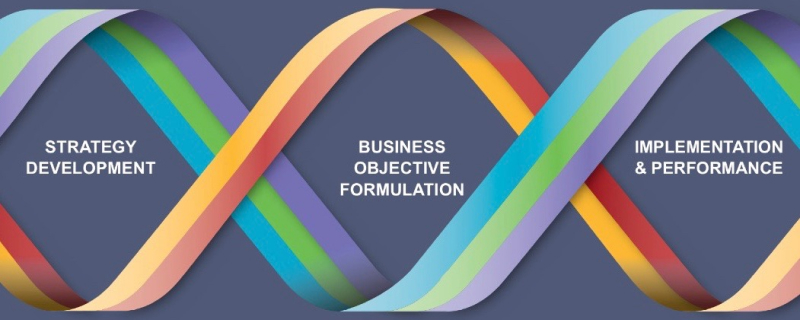
Benefits of the Risk Management Model for Business
COSO enables companies to make more informed decisions regarding the identification and management of risks, both externally and internally. This process is made possible through the development of a structured approach based on gathered information. Organizations using COSO ensure transparency in their reporting, which significantly enhances trust from investors, partners, and customers. The model can also be used for optimizing information protection and preventing data breaches, cyberattacks, or unauthorized access.
How COSO Works
The risk management model operates as follows:
- The company defines its control environment, which forms the foundation for an effective risk management system.
- The organization conducts an audit to identify and understand potential risks.
- The enterprise develops and implements measures to mitigate risks, which are also aimed at addressing the consequences.
- The company ensures timely and accurate exchange of information, which should be accessible to all relevant stakeholders.
- The organization regularly monitors and assesses the effectiveness of the system, which helps verify the efficiency of the COSO model’s operation.
The application of the risk management model can help a company enhance its ability to identify potential threats and develop a plan of action and tools for their minimization and mitigation. This approach can lead to improved operational efficiency, reduced costs, and enhanced financial stability for the corporation.